Organizational Structure
Organizational Structure
The association is managed by a team of experts and specialists in humanitarian and development work, led by the Director General.
Organizational Tiers & Components
1. General Assembly.
The highest governing body comprising founding and active members.
2. Board of Directors.
Responsible for formulating policies, strategic guidance, and governance oversight.
3. Executive Bureau.
Oversees decision implementation and directs central operational activities.
4. Specialized Committees.
Technical and advisory committees supporting sector-specific programs and projects.
5. Executive Management & Staff.
Leads executive operations, institutional staff, and day-to-day project workflows.
6. Offices, Branches & Representations.
Field presence network ensuring reach across countries, provinces, and locations.
7. Volunteers & Community Partners.
Active community workforce and local alliances for humanitarian reach and sustainability.
Board of Trustees
The Board of Trustees of the African Relief & Development Association (ARDA) is one of the key leadership and supervisory frameworks in the association, playing a fundamental role in consolidating institutional governance, enhancing transparency and accountability, and ensuring that the association's work and programs are directed towards fulfilling its humanitarian and development mission and serving the most needy communities.
The Board of Trustees consists of (20) members with diverse skills and expertise, hailing from seven countries, reflecting the African and regional dimension of the association and the diversity of its expertise and fields of action. The Board brings together academic, administrative, economic, health, humanitarian, developmental, and community expertise, enhancing its capacity to provide strategic vision and make sound decisions.
The Board is also formed of specialized secretariats that undertake specific duties and responsibilities according to institutional fields of work, contributing to distributing responsibilities, increasing follow-up efficiency, providing specialized studies and recommendations to the Board, and supporting executive management in implementing approved policies and programs.
Within the framework of the bylaws and regulations governing the association's work, the Board of Trustees undertakes several key tasks, most notably:
The specialized secretariats affiliated with the Board of Trustees serve as technical and advisory arms, contributing to studying issues related to the association's work, preparing recommendations and proposals, and following up on the implementation of Board decisions each in their field of competence.
These secretariats aim to foster specialization, enhance decision quality, accelerate follow-up, and ensure integration across administrative, technical, financial, and programmatic aspects of the association.
The Board of Trustees contributes to building a more efficient and sustainable humanitarian and development institution by combining academic, administrative, supervisory, and field experience, and supporting programs aimed at improving the lives of the most vulnerable groups, particularly in humanitarian relief, education, health, water and environmental sanitation (WASH), protection, livelihoods, sustainable development, and emergency response.
The Board also works to enhance the association's regional and international presence and partnerships, building institutional relations founded on trust, transparency, and commitment to professional standards in humanitarian and development action.
The Board of Trustees strives to establish a pioneering institutional model founded on good governance, efficiency, sustainability, partnership, transparency, and humanitarian and developmental impact, enabling the association to expand its reach and maximize its impact in targeted communities.
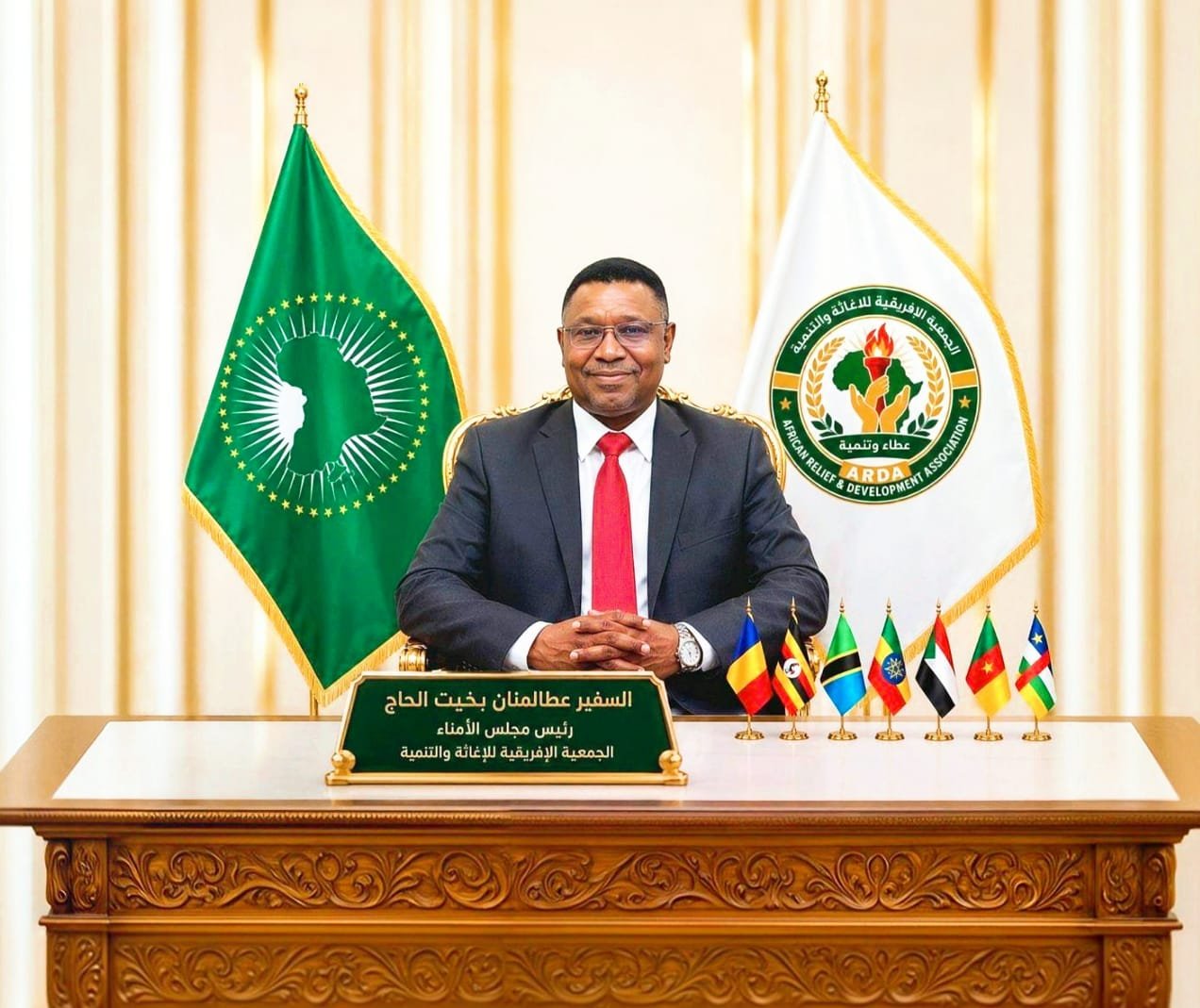
Prof. Dr. Abdullah Mohammed Al-Nour
Chairman of the Board of TrusteesExpert in institutional governance and African development with over 25 years of leadership experience.
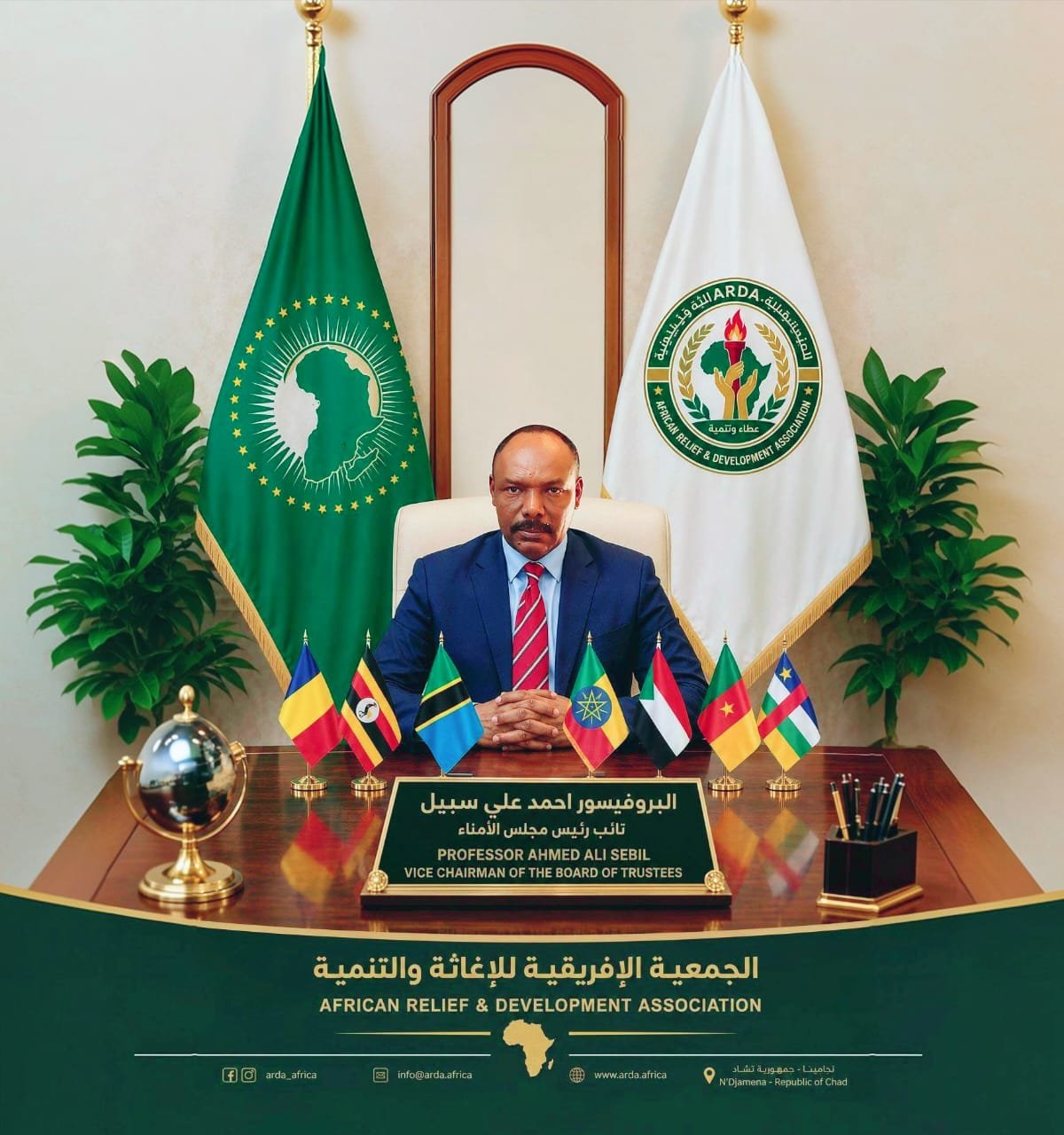
Dr. Amina Yousuf Hassan
Vice-Chairperson of the Board of TrusteesInternational consultant in public health and non-profit organizational development.
Board of Directors
The Board of Directors serves as the highest leadership and operational governing body responsible for steering and overseeing the affairs of the African Relief & Development Association (ARDA), directly supervising the achievement of its strategic objectives and executing the general policies approved by the General Assembly and the Board of Trustees. It plays a pivotal role in institutional governance, resource management, and leading humanitarian and development interventions across Chad and partner African nations.
Elected by the General Assembly in accordance with ARDA's bylaws, the Board brings together distinguished leaders and experts in humanitarian, developmental, administrative, financial, and legal fields. It acts as a vital bridge connecting the association's highest authorities with the Executive Bureau and on-the-ground project teams.
Within the framework of powers granted by the bylaws and regulations, the Board of Directors undertakes essential core responsibilities, notably:
The Board of Directors operates in close alignment with the Executive Bureau in accordance with ARDA's institutional hierarchy (Board of Trustees → Board of Directors → Executive Bureau → Country Offices → Field Teams & Projects), translating grand strategic objectives into effective grassroots action.
The Board of Directors strives to foster an innovative, agile, and transparent institutional environment, maximizing the impact of humanitarian interventions in relief, education, healthcare, WASH, and economic empowerment across Africa.
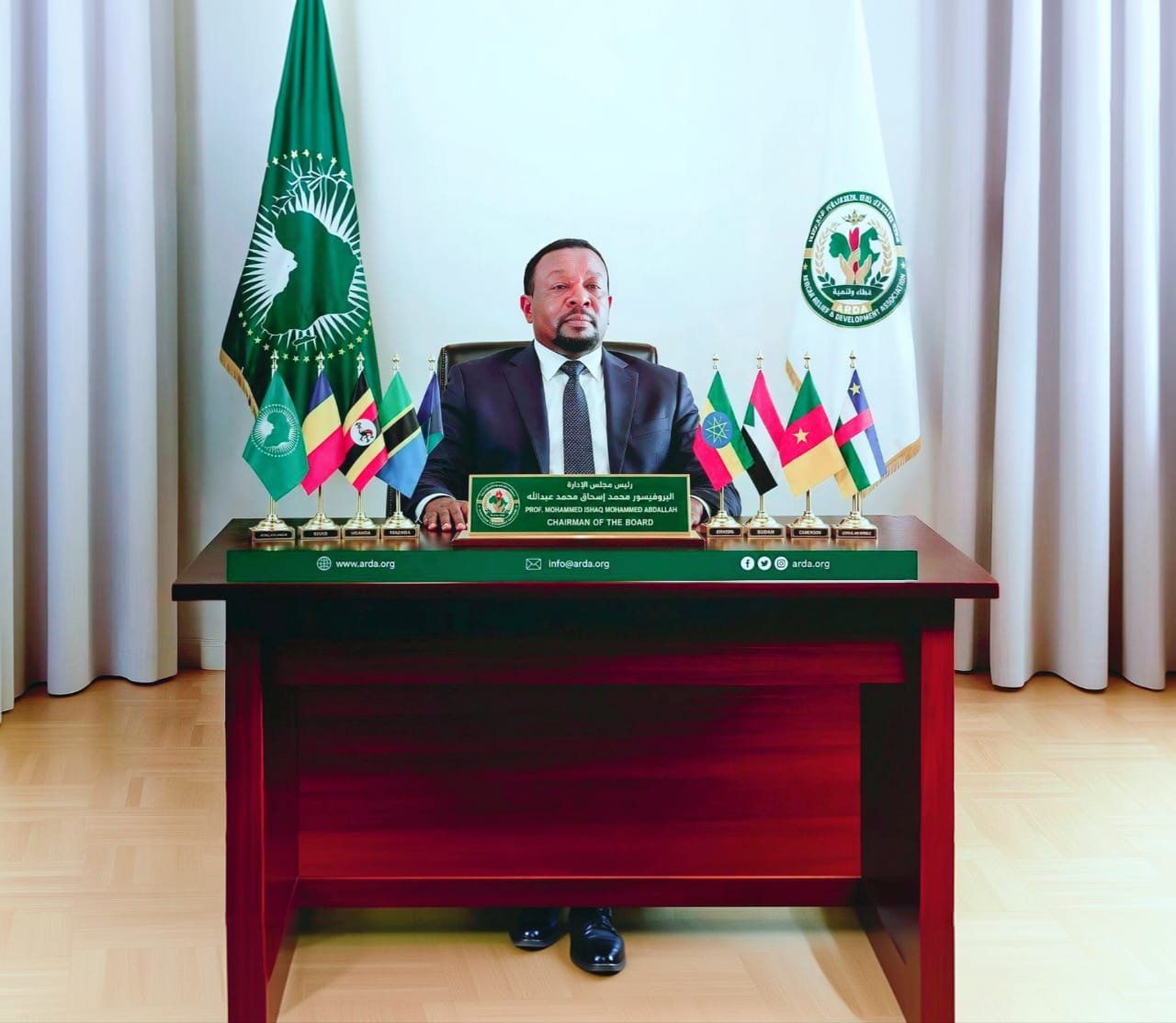
Dr. Ibrahim Mohammed Ahmed
Chairman of the Board of DirectorsStrategic oversight and policymaking to strengthen humanitarian and developmental partnerships.
Executive Bureau & Administrative Pyramid
The Executive Bureau serves as the direct operational and managerial apparatus responsible for conducting day-to-day operations at the African Relief & Development Association (ARDA), translating the strategic directions and policies approved by the Board of Directors into actionable grassroots projects and programs.
Executive management is structured according to an integrated administrative pyramid starting from the apex led by the Director General, flowing downwards through specialized central directorates, country offices, technical sections, down to field coordinators and staff across all project locations.
Director General
Executive Leadership, General Supervision & Policy Coordination
Central Specialized Directorates
Programs & Projects • Financial & Administrative Affairs • Resource Mobilization • M&E
Country Offices & Regional Supervision
Country Offices across 7 African nations, branch management and representations
Operational Units & Sector Coordinators
Emergency Relief • Education • Healthcare • WASH • Economic Empowerment
Field Offices, Teams & Operational Staff
Operational personnel, field supervisors, and project-level execution staff
Detailed Executive Organizational Chart Image
The high-resolution executive organizational chart image illustrating the full hierarchy from the Director General down to field staff will be placed here.
Led by the Director General, the Executive Bureau oversees core operational tasks:
Country Offices
The African Relief & Development Association (ARDA) is a regional humanitarian and developmental institution dedicated to advancing humanitarian and development work across the African continent. It seeks to respond to the needs of communities affected by poverty, crises, disasters, and displacement through sustainable programs and projects that improve lives and enhance resilience.





These offices form an integrated field network that enables ARDA to reach target communities, understand their needs, and execute programs and projects according to local priorities while adhering to unified organizational policies and standards.
Country offices serve as ARDA's operational field arm in host countries, undertaking the following key mandates:
Through its country offices, ARDA implements comprehensive programs across key humanitarian and developmental sectors:
Humanitarian Relief & Emergency Response, Food Security & Livelihoods, Education, Healthcare, Water & Environmental Sanitation (WASH), Protection of Vulnerable Groups, Orphan Care, Community Development, Women & Youth Support, and Capacity Building & Sustainable Development.
Country offices operate within a unified administrative system, according to the institutional hierarchy:
Each country office operates in accordance with the national laws and regulations of its host state, while upholding the bylaws, financial, administrative, and programmatic regulations of ARDA.
Executive Management & Staff
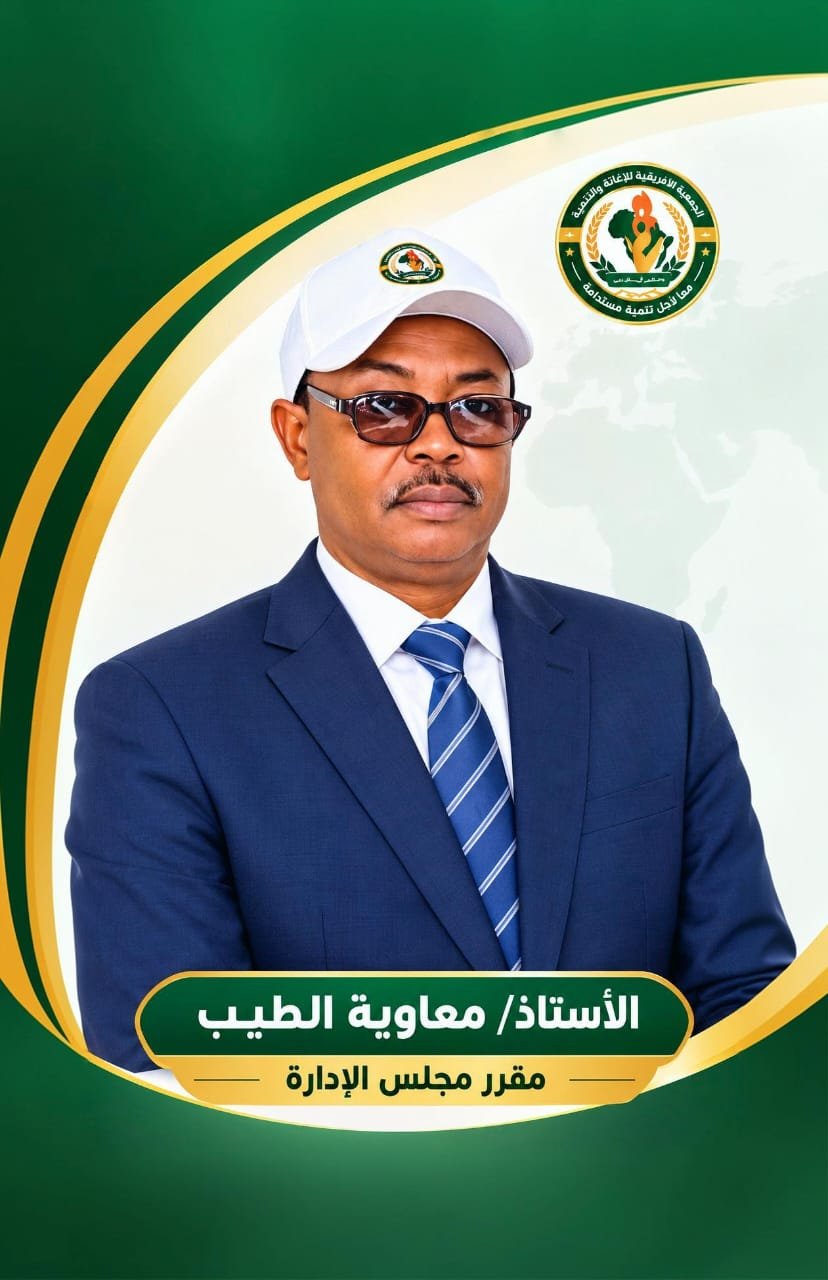
معاوية الطيب
المدير التنفيذي